Wearable Technology in Healthcare

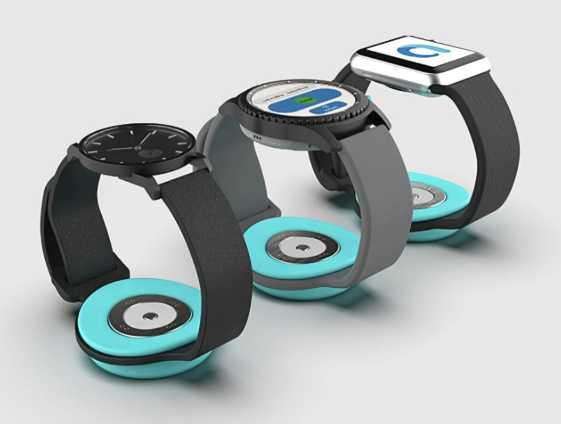
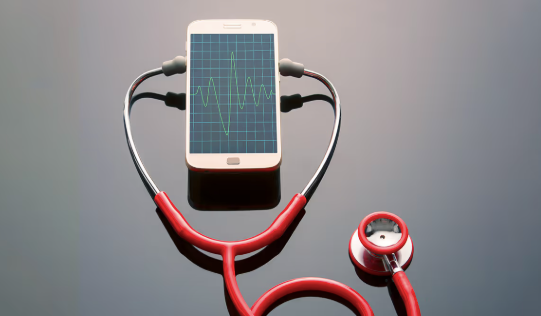
Wearable technology has significantly transformed the landscape of healthcare. It facilitates continuous patient monitoring and enhances engagement through real-time data collection. This technology empowers individuals by providing insights into their health, while also streamlining communication for healthcare providers. As advancements in artificial intelligence and analytics emerge, the implications for patient care and management are profound. Exploring these developments reveals a complex interplay between technology and health outcomes that warrants further examination.
The Evolution of Wearable Technology
As technology progressed, wearable devices emerged as a significant innovation in healthcare, transforming how patients and providers interact with health data.
Historical milestones, such as the introduction of the first heart rate monitors and fitness trackers, illustrate key technological advancements.
These devices have evolved, integrating sophisticated sensors and connectivity features, paving the way for real-time health monitoring and enhancing the overall understanding of patient health dynamics.
Benefits for Patients: Empowerment and Engagement
While wearable technology in healthcare offers numerous advantages, its most significant impact lies in the empowerment and engagement of patients.
By providing real-time health monitoring, these devices enhance patient autonomy, allowing individuals to take control of their health decisions.
This increased access to personal data fosters a proactive approach to wellness, encouraging patients to engage more actively in their healthcare journeys.
Enhancing Healthcare Provider Capabilities
Wearable technology significantly enhances the capabilities of healthcare providers by streamlining data collection and improving patient monitoring.
See also: blogexample
Future Trends in Wearable Health Tech
The future of health technology is poised for significant transformation, driven by advancements in wearable devices that are increasingly integrated with artificial intelligence and machine learning.
Remote monitoring will enhance patient care, enabling real-time health tracking.
Coupled with sophisticated data analytics, these innovations will empower individuals to take charge of their health, fostering a proactive approach to wellness and personalized medical interventions.
Conclusion
In conclusion, wearable technology in healthcare has significantly transformed patient engagement and provider capabilities, fostering a more proactive approach to health management. For instance, a hypothetical case study of a diabetic patient using a continuous glucose monitor illustrates how real-time data enables personalized interventions, reducing hospital visits and improving quality of life. As advancements in AI and data analytics continue, the potential for wearables to enhance health outcomes and streamline communication between patients and providers is immense.