
Fall Home Maintenance Checklist

A fall home maintenance plan centers on safety, efficiency, and weather readiness. It outlines a practical schedule, inspects the home envelope, and prioritizes weatherproofing and insulation upgrades. Essential systems are checked before winter, with tasks like furnace service and gutter care planned ahead. The approach favors durable fixes and simple upgrades that pay off over time. Those details set the stage for concrete steps to protect comfort and energy savings as temperatures drop.
How to Prepare a Fall Maintenance Plan
A fall maintenance plan should start with a clear assessment of the home’s needs, focusing on safety, efficiency, and protection against seasonal weather. The plan outlines core steps, assigns responsibilities, and sets timelines. It emphasizes drone based inspection for hard-to-reach areas and smart thermostat optimization to reduce energy use while maintaining comfort. Actionable, practical, and freedom-minded guidance drives steady progress.
Inspect and Protect the Home’s Envelope for Energy Savings
Following the fall plan, attention shifts to the home’s envelope to protect against drafts and moisture while boosting efficiency. Inspect exterior vulnerabilities, seal cracks, and install targeted air sealing where drafts are felt. Consider insulation upgrades in attic, walls, and crawl spaces to improve comfort and reduce loads. Prioritize practical steps, monitor results, and maintain enduring energy savings.
Check Essential Systems Before Winter (Furnace, Gutters, Vents)
Before winter arrives, a practical check of essential systems helps prevent outages and costly damage.
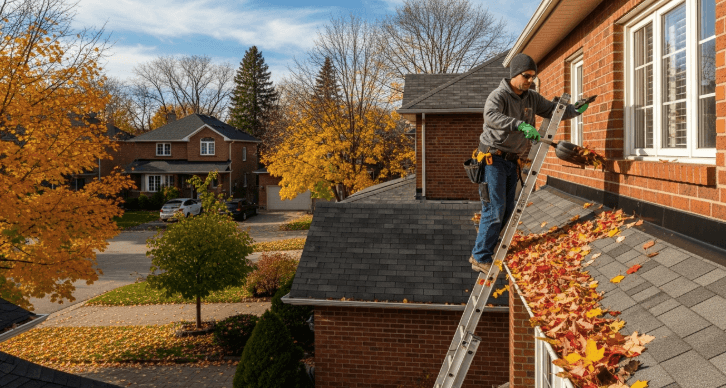
A detached overview outlines brisk steps: schedule a furnace inspection, ensure proper thermoregulation, and replace filters. Inspect ducts and vents for obstructions. Perform gutter clearing to prevent ice dams. Verify controls function and safety switches; note any reliability concerns for prompt maintenance and uninterrupted comfort.
Seasonal Safety and Long-Term Prevention Tips
Seasonal safety and long-term prevention tips focus on proactive planning, routine checks, and durable habits that reduce risk and extend home life. Prepared residents implement seasonal safety measures, inspect external hazards, and schedule essential maintenance to prevent costly failures. Long term prevention emphasizes sturdy materials, simple upgrades, and documented routines that foster independence, resilience, and peace of mind for every homeowner.
Frequently Asked Questions
How Often Should I Test Carbon Monoxide Detectors in Fall?
How often to test CO detectors? Fall testing frequency recommends monthly testing and annual replacement batteries, with detectors tested after power outages. CO detector placement should be on every level, away from vents. Safety reminders emphasize prompt replacement when expired.
What’s the Best Fall Time to Prune Trees Near the House?
Pruning timing depends on local climate and tree species, but generally late winter to early spring offers dormant cuts with minimal stress and predictable regrowth. Ensure tree clearance before winter storms, while avoiding heavy fall pruning.
See also:Wearable Technology Trends
Can I Seal Windows Myself or Should I Hire a Pro?
The answer: Sealing windows can be attempted with DIY installation, but a professional window sealing approach often yields tighter seals and longer warranties. Compare window sealing options, assess risks, and weigh DIY installation vs. professional installation for best results.
Which Outdoor Faucets Should Be Winterized First?
Outdoor faucet types most at risk should be prioritized for winterization first, such as unheated exterior spigots and hose bibs. Then proceed with winterization steps, insulating and draining exposed lines, to prevent bursting and leaks.
How Do I Prevent Ice Dams on a Budget?
To prevent ice dams on a budget, he uses budget friendly roof heat cables and performs affordable insulation tweaks, installing sealing strips and attic vents. He emphasizes practical, freedom-friendly steps: low-cost solutions with measurable, repeatable results.
Conclusion
As leaves fall, a sturdy home stands ready. Picture the envelope sealed like a tucked-in coat, drafts chased away by careful caulking and generous insulation. A furnace hums reliably, gutters gleam free of ice, ducts breathe clean air, and smart thermostats nudge energy use toward thrift. Routine checks become quiet rituals: filters replaced, vents cleared, drone-guided inspections noted. With every small, proactive step, resilience grows, turning winter preparation into confident, lasting peace of mind.