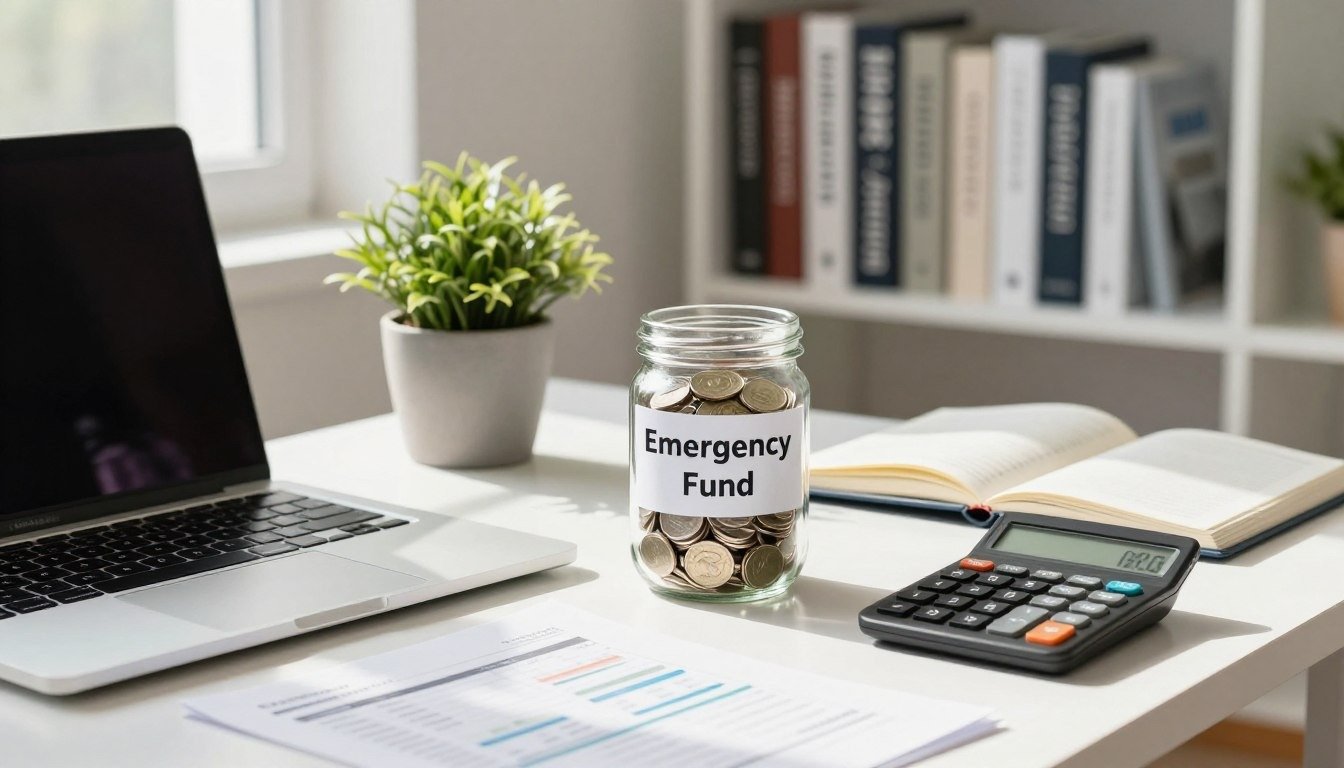
Build An Emergency Fund with These Easy Tips Today

Life can throw unexpected surprises that mess up your budget. A sudden car repair or an urgent medical bill can happen anytime. Having a safety net is key for your financial security.
Many people don’t think about financial preparedness until it’s too late. By focusing on your emergency savings now, you can avoid getting stuck in high-interest debt.
Learning to Build An Emergency Fund is a smart personal finance tip. By taking action now, you’ll be ready to face life’s ups and downs with confidence and peace of mind.
Why You Need to Build An Emergency Fund
Having a savings account can save you from big troubles when unexpected costs come up. Life is full of surprises that your budget can’t handle alone. A rainy day fund acts as a shield, keeping your future plans safe from sudden emergency expenses.
Protecting Your Financial Future
Keeping your finances stable is key to a good life. Without savings, you might turn to expensive credit cards or loans for unexpected bills. This can lead to a debt cycle, making it tough to save for later.
Good money management means planning for the unknown. Keeping some money aside lets you control your finances. Here are the main perks of having a safety net:
- Avoidance of high-interest debt during crises.
- Protection of your long-term investment portfolio.
- Ability to handle job loss or income gaps without panic.
Reducing Stress During Unexpected Life Events
Living paycheck to paycheck is stressful. But, knowing you have a rainy day fund gives you peace of mind. This lets you focus on solving problems, not worrying about money.
Good money management is about more than just numbers. It’s about your mental health too. Having a funded savings account helps you face life’s changes with confidence. It gives you the clarity to make smart choices when emergency expenses pop up.
Practical Steps to Build An Emergency Fund
Creating a rainy day fund is easier when you break it down. It gives you peace of mind for life’s surprises. Follow a roadmap to change your spending habits and secure your future.
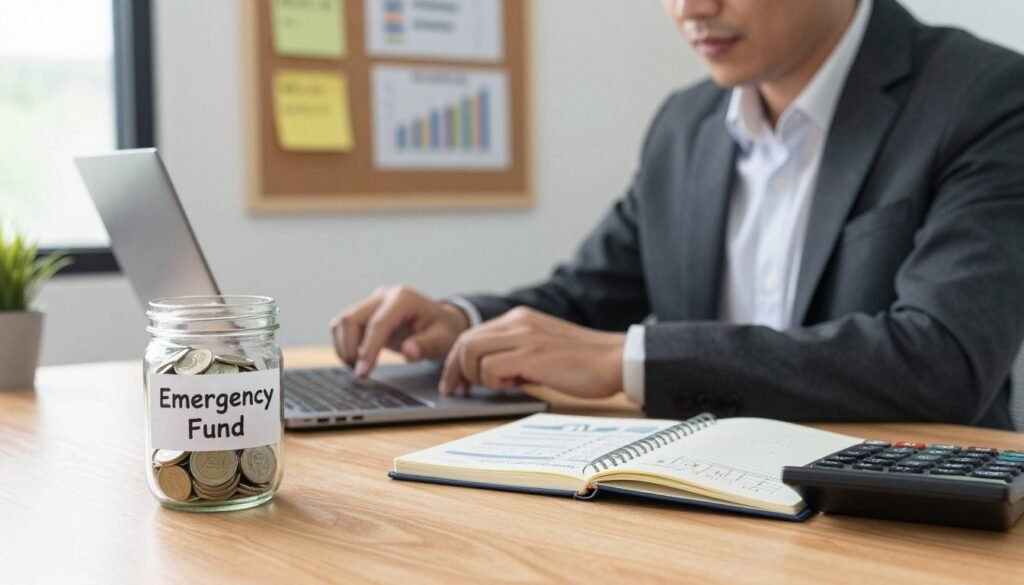
Assess Your Monthly Expenses
Start by tracking where your money goes each month. Look at your bank and credit card statements. This helps you see what you need versus what you want.
Understanding your basic costs is key. Identify your fixed expenses like rent and groceries. This shows how much you need to live.
Set a Realistic Savings Goal
Having clear savings goals keeps you focused. Knowing your target makes saving for emergencies easier.
Starting Small with Micro-Savings
Begin with small, achievable goals. Saving just twenty dollars a week can start a good habit. It builds momentum over time.
Aiming for Three to Six Months of Expenses
Work towards saving three to six months of living costs. This fund helps you handle big emergency expenses without debt.
Automate Your Savings Contributions
Consistency is key in money management. Set up automatic transfers to your savings. This way, you avoid spending it.
Most banks let you schedule these transfers on payday. It’s a hands-off way to grow your savings.
Cut Unnecessary Discretionary Spending
Reviewing your spending can speed up your savings. Cut back on unused subscriptions or dining out. These small changes add up.
Small changes, like making coffee at home, can save a lot. Every dollar saved brings you closer to financial security.
See also: How to Stay CRA-Compliant Without Paying Expensive Accounting Fees
Smart Places to Keep Your Savings
Finding the right spot for your savings is key to financial peace. You want your money to grow and be ready for emergencies. This balance is crucial.
Choosing the right place for your savings is important. It should grow your money while keeping it safe from market ups and downs. Automated savings helps you build your balance easily, without monthly worries.
High-Yield Savings Accounts
A high-yield savings account is a great start for your emergency fund. These accounts offer higher rates than regular banks, helping your money grow faster.
They are FDIC-insured, so your money is safe. This makes them perfect for your liquid assets, growing your savings while keeping it secure.
Money Market Accounts
Money market accounts offer a mix of features that many find useful. They let you write checks or use debit cards, which is handy in emergencies.
“Do not save what is left after spending, but spend what is left after saving.”
— Warren Buffett
They work like regular savings accounts but might need a higher balance. If you’ve met your savings goals, this could help manage your money.
Maintaining Liquidity for Quick Access
The key to your emergency savings is quick access. Avoid long-term investments with penalties for early withdrawal.
Keep your money in liquid assets for immediate use. This way, you can handle unexpected expenses right away. By using these accounts in your automated savings plan, you grow your savings while keeping it liquid.
Conclusion
Building a strong safety net changes how you view money. It takes regular habits and a clear plan for your future. This is key to lasting financial stability.
Having peace of mind comes from keeping your money in high-yield accounts. Banks like Ally Bank or Marcus by Goldman Sachs are great choices. They help keep your money safe and easy to access.
Using these money tips makes life easier. True financial readiness is a journey that needs patience and discipline. It’s not a quick fix.
Start working towards your long-term goals today. This way, you’ll be ready for any surprises. Share your journey with a partner or friend to stay motivated and secure.
FAQ
Why is building a safety net so important for my long-term financial stability?
Life is full of surprises, and a rainy day fund is your shield. It helps you face unexpected costs like car repairs or medical bills without debt. Saving today means peace of mind for tomorrow.
How much money should I realistically aim to save in my emergency savings account?
Aim for three to six months of living costs. If that’s too much, start small. Use tools like YNAB or Rocket Money to set a goal that fits your life.
Where is the smartest place to store my emergency fund to maximize growth?
Choose a place that earns interest but is easy to access. High-Yield Savings Accounts from banks like Ally or Marcus are great. Money Market Accounts also offer good rates and quick access to your money.
Is it better to pay off debt or focus on building an emergency fund first?
It’s a balance. A small safety net prevents more debt in emergencies. Start with a basic fund, then tackle your debts aggressively.
How can I stay consistent with my savings if I have a busy schedule?
Automate your savings. Use apps like SoFi or Capital One to transfer money from your paycheck. This keeps your savings growing, even when life is hectic.
What are some simple ways to find extra cash for my savings goal?
Review your spending. Cut back on non-essentials and apply the savings to your fund. Small, consistent efforts add up to big protection for your future.